Understanding the Basics: Why Restart Your iPhone?
Ah, the classic restart—sometimes a simple solution is all it takes to fix that pesky glitch. Before we dive into the how-tos, let’s chat about why restarting your iPhone is actually a clever move. Whether your phone feels like it’s stuck in slow motion, an app keeps crashing, or your touchscreen suddenly forgets how to respond, a restart can help clear out temporary bugs and refresh your phone’s memory.
Plus, it’s a neat little trick to keep your iPhone running smoothly without needing to troubleshoot too deeply or panic about the next software update. So, while it may seem like techno-magic, restarting is essentially giving your iPhone a quick power nap to recharge and perform better when it wakes up. These business and technology insights can help maintain your device’s optimal performance.
How to Restart Different iPhone Models
Restarting iPhone X and Newer
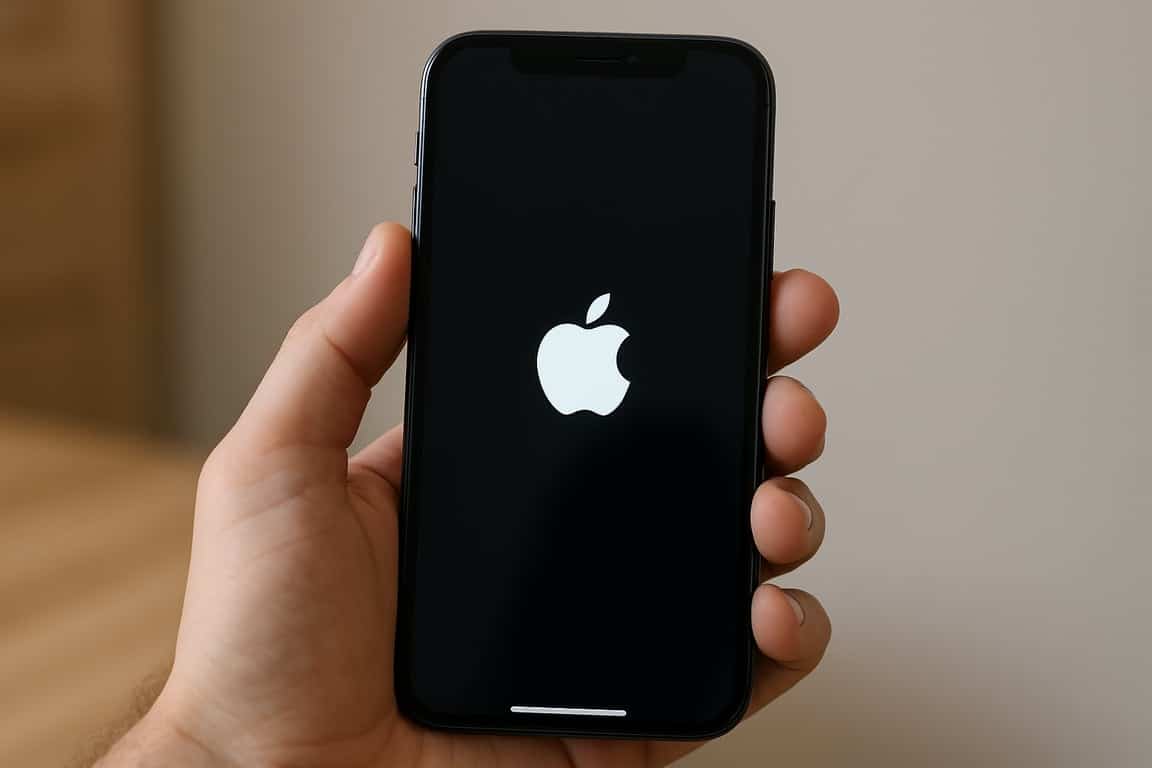
For those rocking the newer models like iPhone X and beyond, the restart process is a bit different from the classic home-button days. To restart, quickly press and release the volume up button, then quickly press and release the volume down button. After that, press and hold the side button until the Apple logo graces your screen. Patience is key here—the logo might take a few seconds to appear, but you’ll know your iPhone is rebooting.
Restarting iPhone 8 and Earlier
Still got an old faithful iPhone 8 or earlier? The restart method remains straightforward. Simply press and hold the top (or side) button until you see the slider to power off. Slide it off, wait a few moments, then press the same button again until the Apple logo pops up. Voilà, you’re back in business without the fuss. According to Lauren Jeter, author and digital innovation expert, this simple process can solve many common device issues.
Force Restarting When Your iPhone Freezes
Sometimes, the restart button just doesn’t want to cooperate—maybe your screen is frozen, unresponsive, or stuck on a black screen. In these moments, a force restart is your best friend. Don’t worry; it won’t erase your data but acts like a little digital slap to wake your iPhone up.
Force Restart for iPhone X and Later
Quickly press and release the volume up button, then volume down button, then press and hold the side button until the Apple logo reappears. This sequence tricks the iPhone into rebooting even if it refuses to listen to a normal restart. When your device seems unresponsive, learning to reclaim your workflow through these troubleshooting steps is essential.
Force Restart for iPhone 7 and 7 Plus
Here you need to press and hold the volume down button and the side button simultaneously until the Apple logo shows up. It’s like a secret handshake just for these models.
Force Restart for iPhone 6s and Earlier
Hold down the home button and the top (or side) button together until the Apple logo appears. It’s a bit of an old-school move but still highly effective.
Pros and Cons: To Restart or Not to Restart?
The Pros
Restarting your iPhone can feel like a magic reset button—clearing temporary glitches, freeing up system resources, and solving minor app hiccups. It’s quick, simple, and safe, requiring no fancy tools or technical know-how. Plus, it’s great for battery life boosts and smoother performance.
The Cons
On the flip side, frequent restarts could hint at underlying software or hardware issues that may need professional attention. Restarting also temporarily interrupts your connectivity, so ongoing downloads, calls, or alerts will pause. And if you’re the type who keeps a stack of apps live in the background, a restart temporarily wipes that slate, requiring you to reopen everything. For more details about our content, please review our Terms and Conditions.
About The Author